January, 2026
In interior design and architectural specification, trends may ebb and flow, but natural tones are definitely here to stay. Shades of black, grey, and finishes inspired by stone have firmly established themselves as dependable, high-performing choices for both commercial and mixed-use environments. When incorporated into carpet tiles and luxury vinyl tiles (LVT), these hues achieve a wonderful balance of visual subtlety, functional durability, and enduring value. For specifiers, designers, and contractors alike, natural colour palettes offer a clever way to create spaces that feel fresh today and will continue to resonate in the future.
A neutral foundation that works harder
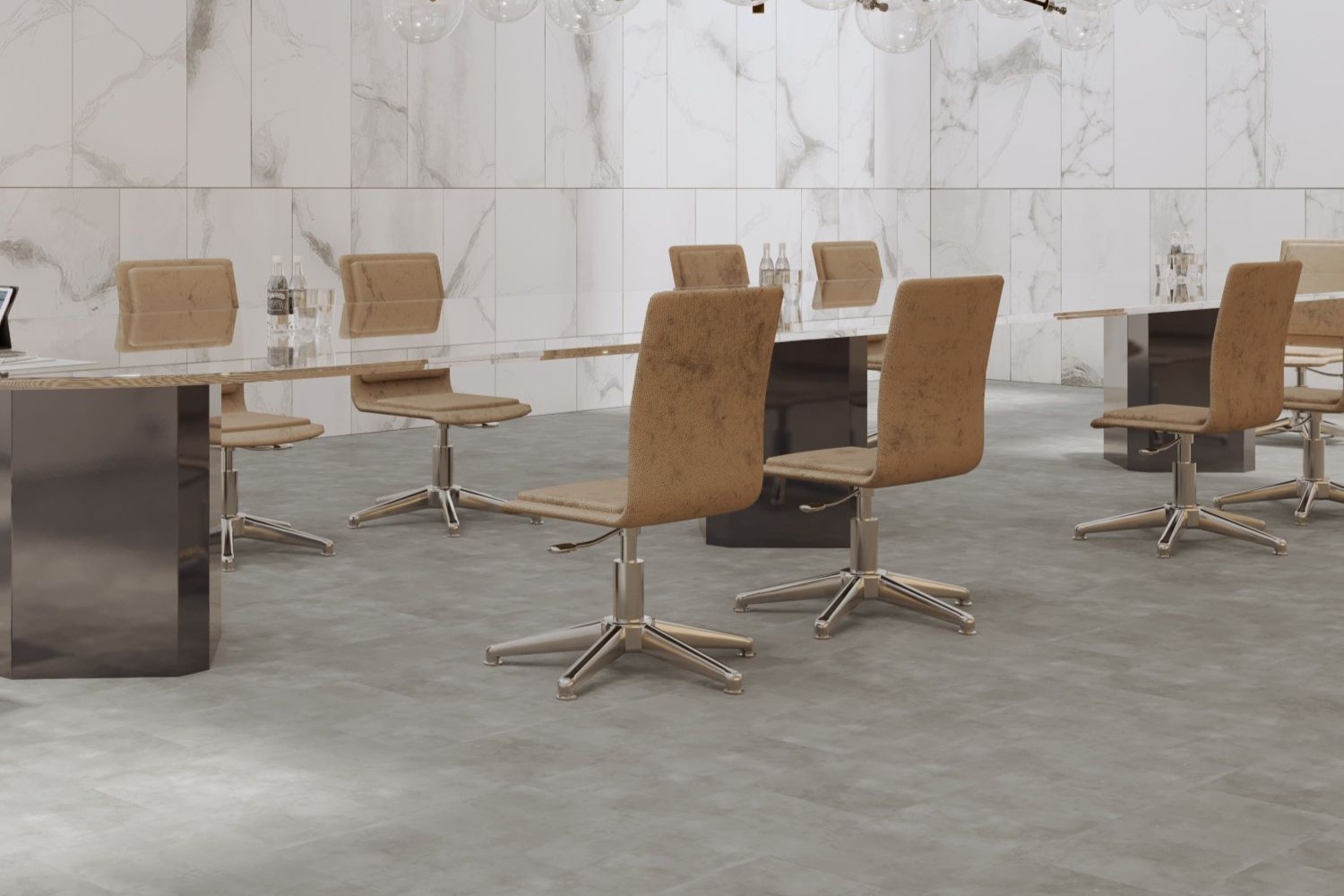
Natural tones create a calm and organised backdrop that allows the overall design to shine. Shades of grey and stone finishes anchor a space without being too overpowering, making them particularly suitable for offices, schools, hotels, and public buildings. From a design management perspective, this neutrality simplifies the process of coordinating with furniture, wall finishes, lighting, and branding elements. If layouts or branding need to shift, there’s no need to replace the flooring, which helps prolong the life of the interior.
Carpet tiles that pack a punch with subtle charm
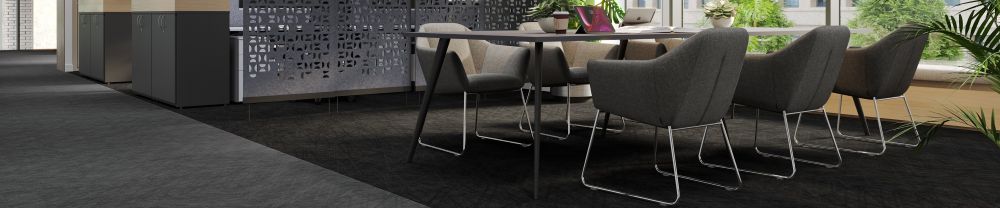
Carpet tiles in earthy tones not only bring a cozy vibe but also offer great acoustic comfort, all while maintaining a sleek, professional appearance. Shades of mid to dark greys and charcoal work wonders in high-traffic areas, as they cleverly conceal dirt, wear, and those everyday scuffs that come with foot traffic. The modular design makes installation super easy, allowing for gradual upgrades and hassle-free replacements, which is ideal for busy spaces and long-term facility management. Plus, the subtle variations in tile design add depth and texture, ensuring that expansive floor areas feel inviting rather than flat or sterile. Fractured Ice by DURAFLOR is an example of how natural tones can work well to create a subtle yet dynamic floorscape.
LVT – where realism meets resilience
Stone and concrete-inspired LVT has become the go-to choice for projects that crave a natural look without the downsides of real materials. Thanks to advancements in surface detailing and embossing, LVT now offers impressive realism while standing up to wear and tear. Darker and neutral LVT styles are especially ideal for high-traffic areas like circulation zones, retail spaces, hospitality venues, and shared residential areas, where moisture resistance, easy cleaning, and stability are key. The end result is a floor that not only looks thoughtfully designed but also performs reliably, meeting the demands of any busy environment.

Longevity through restraint
One of the key advantages of natural tones is their knack for reducing visual fatigue. Unlike bold colors and eye-catching patterns that can quickly go out of style, shades like black, grey, and stone finishes hold their charm across different design trends. For clients, this translates to a better return on investment. For designers and architects, it promotes a focus on specifications that highlight durability, versatility, and thoughtful material choices.
Supporting sustainable design outcomes
Neutral flooring palettes blend seamlessly with sustainable design principles. By extending the lifespan of a floor and reducing the need for frequent replacements due to shifting trends, natural tones encourage more mindful use of materials. When paired with modular systems like carpet tiles or resilient LVT constructions, the overall flooring approach becomes easier to maintain, repair, and adapt over time.

A proven choice for modern projects
Choosing natural tones for carpet tiles and LVT isn’t just about playing it safe; it’s about making thoughtful, forward-looking choices that respect how buildings are used, adapted, and maintained. By combining subtle aesthetics with practical performance, these flooring options enhance beautifully designed interiors that can handle real-world challenges while still exuding a timeless charm.

August, 2017
Vinyl, laminate, hardwood, rubber or ceramic tiles? We take a look at the ideal…
October, 2017
Location is often a top priority for companies looking to move or set up…
November, 2017
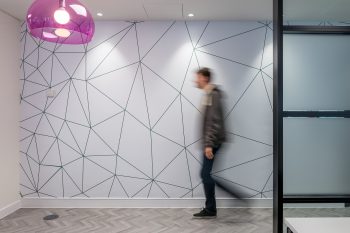
Geometric flooring is essential to the latest Scandi look. We explore how pattern creates…