October, 2026
As autumn gives way to winter, interior design trends are embracing warmer tones, natural textures and thoughtful material combinations.
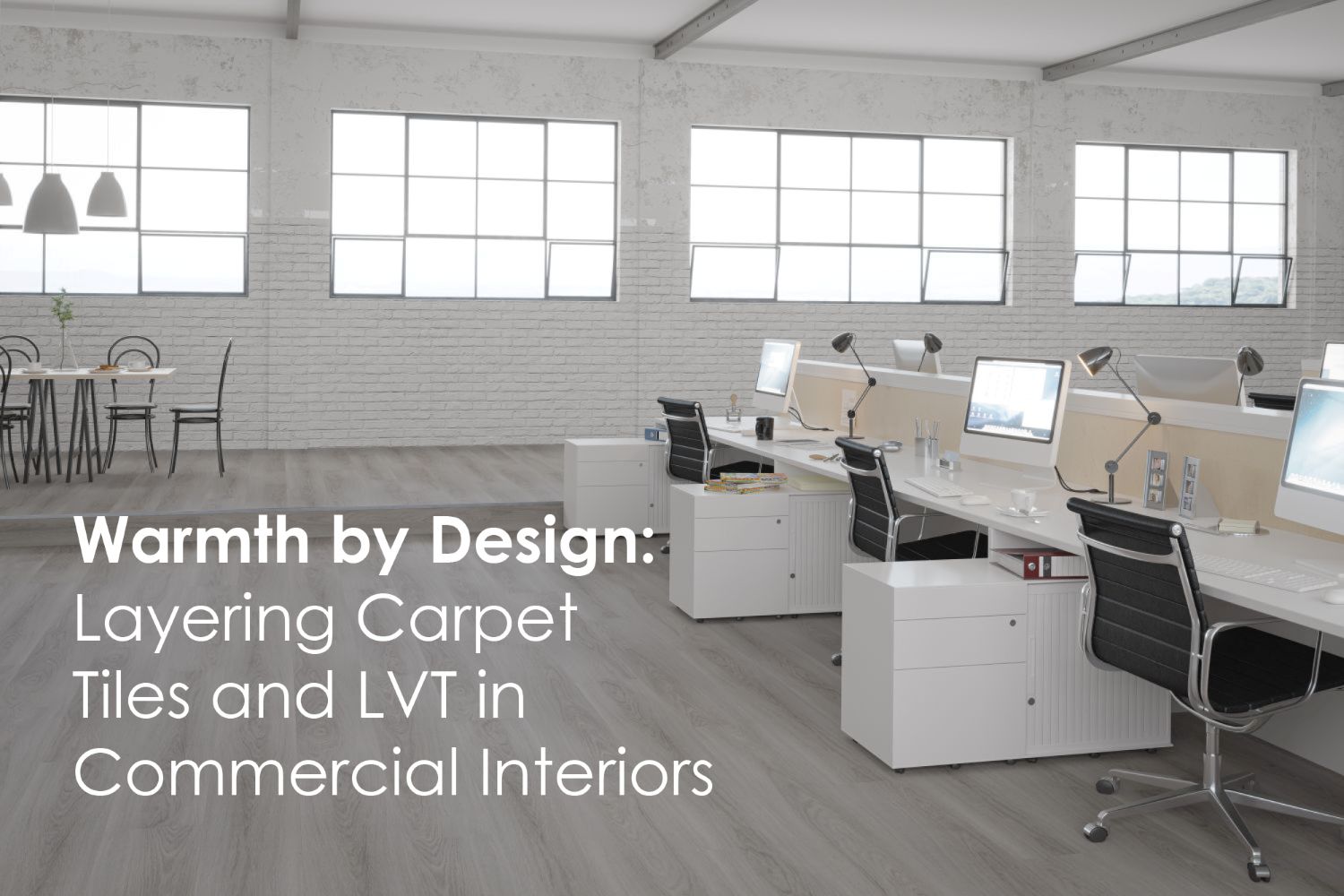
For architects, interior designers and flooring contractors, combining carpet tiles with luxury vinyl tiles (LVT) offers opportunities to create welcoming commercial environments while balancing aesthetics, functionality and performance.
Nature-inspired interiors continue to influence commercial flooring, with earthy browns, warm neutrals and organic patterns replacing cooler finishes.
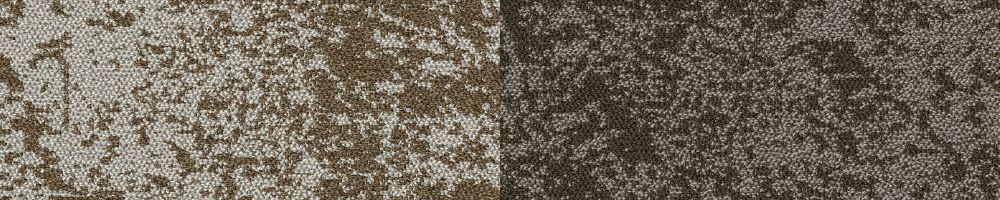
DURAFLOR Landscape carpet tiles introduce natural-looking variation through colourways such as Golden Shore and Hillside. These can complement richer wood-effect LVT, including Cocoa Wood from DURAFLOR Momenta II, adding depth and warmth to commercial spaces.
Specification tip: Assess flooring samples under the intended lighting conditions, as reduced winter daylight and artificial lighting can significantly affect colour perception.
Flooring can help establish distinct zones in multifunctional interiors without physical partitions. Known as soft zoning, this approach uses contrasting colours, patterns and materials to distinguish working, circulation and relaxation areas.
DURAFLOR Progression II combines coordinating plain and striped carpet tiles, with warmer colourways such as Biscotti and Linseed complementing wood-effect LVT like Oak Cinnamon from DURAFLOR Axis. Carpet tiles can also contribute to acoustic comfort, while LVT provides an easily maintained surface for suitable high-traffic areas.
Design tip: Consider how flooring transitions can support wayfinding and accessibility.
Combining carpet tiles and LVT requires careful coordination, particularly where different materials meet.
DURAFLOR Axis and DURAFLOR Espressa are both 5mm loose-lay LVT ranges, offering options for mixed-material schemes. However, thickness alone does not guarantee a flush transition. Carpet construction, adhesives and subfloor conditions must also be considered.
Installation tip: Agree finished floor heights, transition details and installation methods during the specification stage.
Wetter weather increases the demands placed on commercial flooring, particularly around entrances and busy circulation areas. Moisture and dirt can increase cleaning requirements, accelerate soiling and create slip hazards.
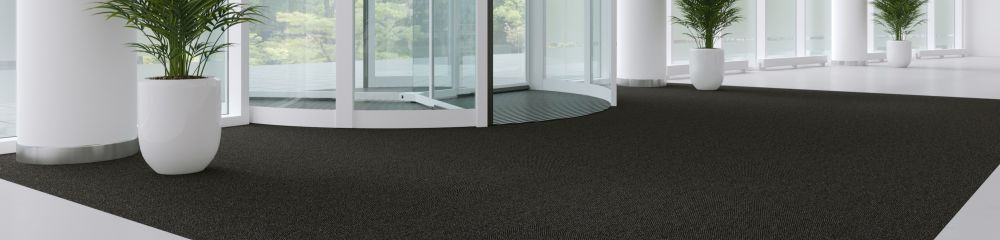
DURAFLOR Checkpoint entrance matting helps remove dirt and absorb moisture, protecting surrounding floor finishes. Where enhanced slip resistance is required, DURAFLOR Resolute safety sheet vinyl provides an alternative for demanding environments.
Specification tip: Assess anticipated moisture exposure and review wet pendulum test results when selecting flooring.
While seasonal trends provide inspiration, commercial flooring must perform throughout its intended service life.
Modular carpet tiles offer flexibility for localised replacement, while LVT provides resilient, easily maintained surfaces. DURAFLOR Landscape features a Class 33 heavy commercial use rating, while DURAFLOR Momenta II offers wood and stone-effect designs with a 0.55mm wear layer.
However, selection should always reflect anticipated traffic, maintenance requirements and the complete product specification.
A Practical Checklist for Specifiers
Before finalising a mixed-material commercial flooring scheme, consider:
2. Application suitability: Are the materials appropriate for expected traffic and activities?
3. Transitions: Have finished floor heights and material interfaces been coordinated?
4. Safety and accessibility: Have slip resistance, surface changes and visual contrast been assessed?
5. Maintenance: Can the materials be cleaned, maintained and repaired efficiently?
6. Installation: Have subfloor preparation, moisture conditions, adhesives and manufacturer requirements been established?
Addressing these considerations early can reduce specification changes and installation complications.
Creating Spaces That Perform All Year Round
This autumn and winter, warmer colours, natural textures and layered flooring offer opportunities to create inviting commercial environments. By combining carpet tiles, LVT and resilient floor coverings, designers can balance contemporary aesthetics with practicality, delivering spaces that perform long after the season has changed.

August, 2017
For when four walls and laminate flooring just won't quite cut it, here are…
August, 2017
How can practical office design affect employees' productivity? We take a look at the…
October, 2017
Location is often a top priority for companies looking to move or set up…